
When I ran six pre-openings across the Asia-Pacific region, I learned quickly that a single table rule can shift how players read risk and reward. The roulette en prison rule is one of those quiet mechanics that separates a fair, transparent table from one that feels murky after the first bad spin. Here, I want to walk through how that rule actually works on the felt, what it means for your bankroll, and where it fits into a sensible session.
How En Prison Changes the Spin
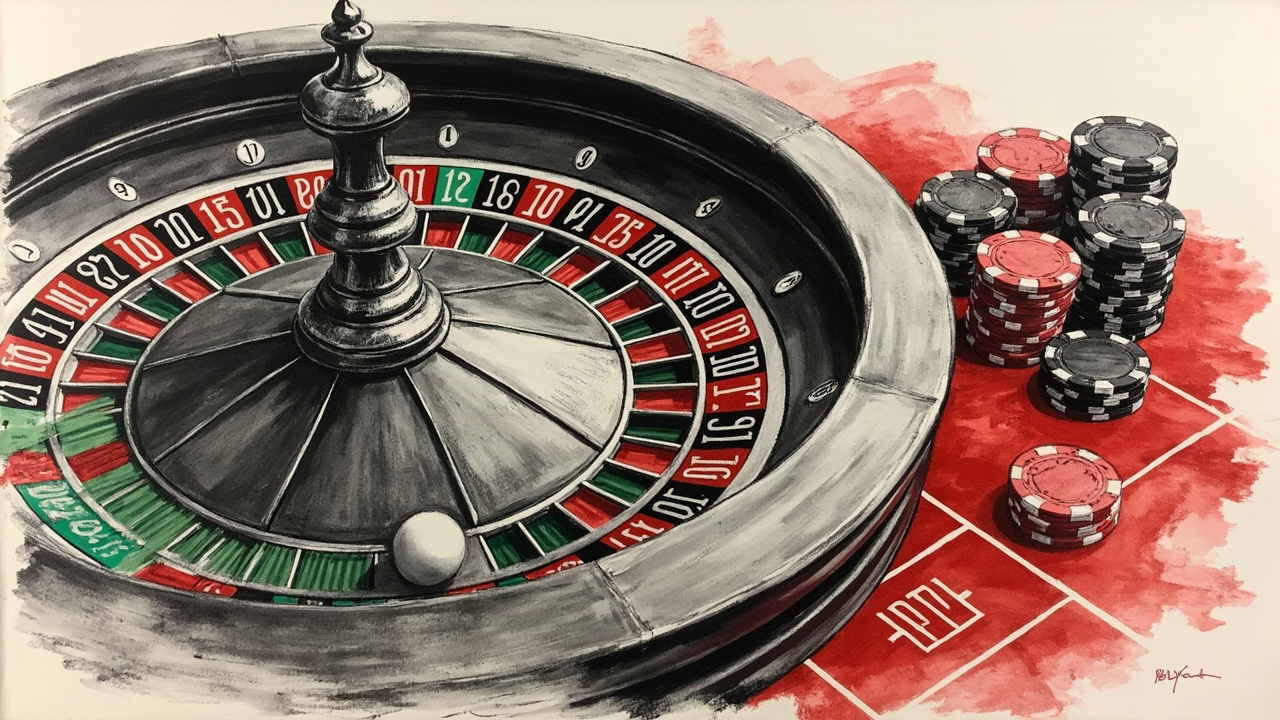
En prison is a French-roulette concession that applies only to even-money bets: red or black, odd or even, and high or low. When the ball lands on zero, your stake is not immediately lost. Instead, the dealer places your chips “in prison” for the next spin, and if that follow-up spin wins on your side, you get your original bet back without extra profit. If it loses, the house takes the stake. In my eight properties across the region, I’ve seen this rule reduce the house edge on even-money bets from about 2.7 per cent down toward 1.35 per cent on those specific outcomes, which is a genuine mathematical difference rather than a cosmetic one.
That said, the rule only matters if the table advertises it clearly and applies it consistently. I’ve walked past busy arvo sessions where signage was vague and players assumed they had en prison when the layout actually ran la partage or a straight zero loss. The distinction changes your expectation on a losing zero, so it is worth checking the table placard before you put chips down. A fair dinkum casino will print the rule on the layout or state it at the pitch, and that transparency is the first sign you are dealing with a table that respects the maths.
| Even-money bet outcome | Standard zero | En prison on zero |
|---|---|---|
| Ball lands on zero | Lose full stake | Stake held for next spin |
| Next spin wins your side | – | Stake returned, no profit |
| Next spin loses your side | – | Stake lost |
What the Rule Means at the Table
The conversation I want to have here is not a formal interview, but it does borrow from a discussion I had with a floor manager during a regional Queensland property opening. He put it plainly while we watched a Saturday night rush: “Players think en prison is a free pass, but it is really a deferral of loss on one specific outcome, and that changes how you size your even-money bets.” I agree with that read, because the rule does not turn a negative expectation into a positive one; it simply softens the blow on a zero hit and rewards patience rather than aggression.
That framing matters when you are deciding how to play. If you treat en prison as a reason to press bigger stakes on red or black, you are overlooking that the prison spin still carries the same zero risk on the follow-up, and the house edge on all other outcomes remains unchanged. The smarter read is to use the rule as a signal that the table is offering a slightly kinder even-money environment, then manage your session around that modest advantage. In my experience, the properties that ran this rule well also trained their dealers to explain it in plain language at the pitch, which cut down on disputes and kept the game moving during a busy arvo.
A second point from that same regional Queensland discussion was about consistency across shifts. The manager noted that when a property changes its roulette rules between tables or between day and night shifts without updating the signage, players lose trust fast. I’ve seen that happen in Asia-Pacific pre-openings where the rule was advertised in promotional material but not reflected on every wheel, and the fallout was entirely predictable. If you are sitting down to a table that claims en prison, watch the first zero hit closely and confirm the dealer handles it the way the placard says. That small check is worth more than any glossy promise.
A third practical note is that en prison does not interact with side bets, bonus wheels, or progressive features. It is a pure table-rule concession on even-money outcomes only, so it should not be confused with anything that touches your overall account balance or promotional credits. I’ve had players ask whether the prison stake counts toward a loyalty tier or a cashback calculation, and the answer is usually no, because the rule is about the spin itself, not your account totals. Keeping that separation clear helps you read the table accurately instead of borrowing expectations from unrelated features.
Who This Rule Suits on the Floor
The roulette en prison rule is best suited to players who prefer even-money action and are comfortable with a slower, more measured session. If your style is to stake modestly on red or black and accept that variance will still bite on ordinary losing runs, the rule gives you a small cushion on the one outcome where the house normally takes the full stake. It is not a fit for high-volatility chasers, because the concession only touches a narrow slice of outcomes and does not alter the broader edge on the wheel.
I’d also caution that the rule is most useful when you can actually confirm it is in play, because not every Australian-friendly table advertises it, and some layouts run a different zero treatment altogether. If you are comparing tables in a regional Queensland club or a city venue, ask at the pitch and read the placard before you commit, rather than assuming the rule is there because a friend mentioned it. That is the sort of detail I’d flag in a pre-opening review: the rule is only valuable if it is genuine, visible, and applied consistently by the team on the floor.
Payments, Cashier Flow, and Practical Fit
Beyond the felt, the rule’s real value depends on how the rest of the property handles money, because a kinder table rule does not help if the cashier is slow or unclear. In the properties I’ve led, the ones that paired en prison tables with a tidy cashier flow tended to keep players calmer, since they knew stakes and returns were being tracked cleanly. If you are weighing where to sit, look for a venue that states its payment methods, currencies, and any verification steps plainly, because that clarity is the companion to a transparent table rule. For a quick look at how some operators frame their cashier and payment pages, you can check https://paydayloanmaryland.net/australia/ and see whether the layout matches what you expect before you commit any stake.
A sensible session around en prison usually means even-money bets, a bankroll you are comfortable stretching through normal variance, and a clear exit point before the spin count gets out of hand. The rule is a modest concession, not a reason to chase losses or increase stakes after a zero hit. If you treat it as a small improvement to an already disciplined approach, it can make even-money play a touch more forgiving; if you treat it as a signal to push harder, you are reading the table the wrong way.

The roulette en prison rule is a genuine, maths-backed concession for even-money bets, but only when it is clearly stated and consistently applied. For players who like measured red-and-black action and want a slightly kinder zero outcome, it is worth seeking out; for everyone else, it is simply one more detail to verify before you put chips on the layout.